
Understanding the psychology behind gambling Why do we take risks
The Allure of Risk: Why We Gamble
The thrill of gambling often draws people into the world of chance and uncertainty. This allure stems from a fundamental aspect of human psychology—the excitement that accompanies risk-taking. For many, placing a bet or spinning a slot machine generates a rush that can be both exhilarating and addictive. This emotional high comes from the unpredictability of the outcome, which can lead to both wins and losses, creating a unique psychological experience. Many players are particularly interested in slots that pay real money as they seek that ultimate thrill.
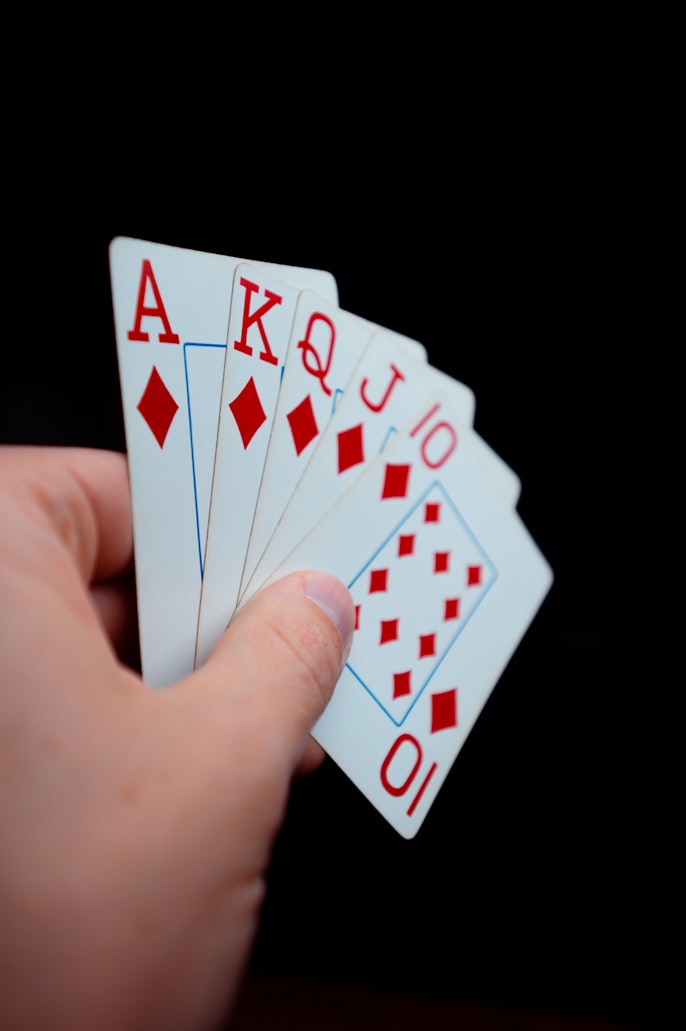
The Role of Cognitive Biases in Gambling
Cognitive biases significantly influence our decision-making processes, especially in gambling. For instance, the illusion of control leads many individuals to believe they can influence the outcome of games of chance. This belief can skew their perception of risk and reward, causing them to gamble more frequently or with higher stakes than they otherwise would.
Moreover, the gambler’s fallacy—where individuals believe that past outcomes will affect future results—can perpetuate the cycle of gambling. When a person experiences a losing streak, they might feel compelled to continue playing in hopes that their luck will change. These cognitive biases are crucial to understanding why people continue to take risks despite previous losses.
The Social Aspects of Gambling
Gambling is often a social activity that fosters a sense of community among participants. Casinos and gaming rooms are designed to create an environment where people can gather, share experiences, and enjoy the thrill of betting together. This social component can further enhance the psychological allure of gambling, as individuals are motivated not just by personal gain but also by the enjoyment of companionship and shared excitement.
Additionally, social reinforcement can play a significant role in gambling behavior. When individuals witness friends or family members winning, it can create a bandwagon effect, encouraging them to take similar risks. The need for social acceptance and belonging can thus drive individuals to engage in gambling, even if they may not have initially considered it.
The Impact of Emotional States on Gambling Choices
Emotional states heavily influence gambling behavior. People often gamble to escape stress or negative emotions, seeking relief in the excitement of games. This coping mechanism can lead to excessive gambling, as individuals turn to this activity as a way to manage their feelings. The temporary highs from wins can provide a fleeting sense of happiness, reinforcing the behavior.
Conversely, positive emotions can also drive gambling behavior. For those in a good mood, the thrill of gambling can feel like an extension of their happiness. This emotional regulation through gambling highlights the complex relationship between mood and risk-taking, showcasing how psychological factors can significantly affect choices in gambling scenarios.
:max_bytes(150000):strip_icc()/GettyImages-560231979-d28ad2e66dcf4cae9fc319f46e606c21.jpg)
Explore More at Videogamer.com
For those seeking to understand the dynamics of gaming and gambling better, Videogamer.com offers insightful content that delves into various aspects of the gaming world. Our platform provides the latest news, reviews, and discussions surrounding gaming, including the psychological factors that influence gameplay and risk-taking behaviors.
Engaging with our community allows users to explore these topics further, share experiences, and connect with fellow gaming enthusiasts. As the landscape of gaming continues to evolve, we aim to keep our audience informed and engaged with relevant and up-to-date information.
“`